Does a local business still need a website?
Published: 20 May 2025 3 min readThe question is not whether every business needs a large website
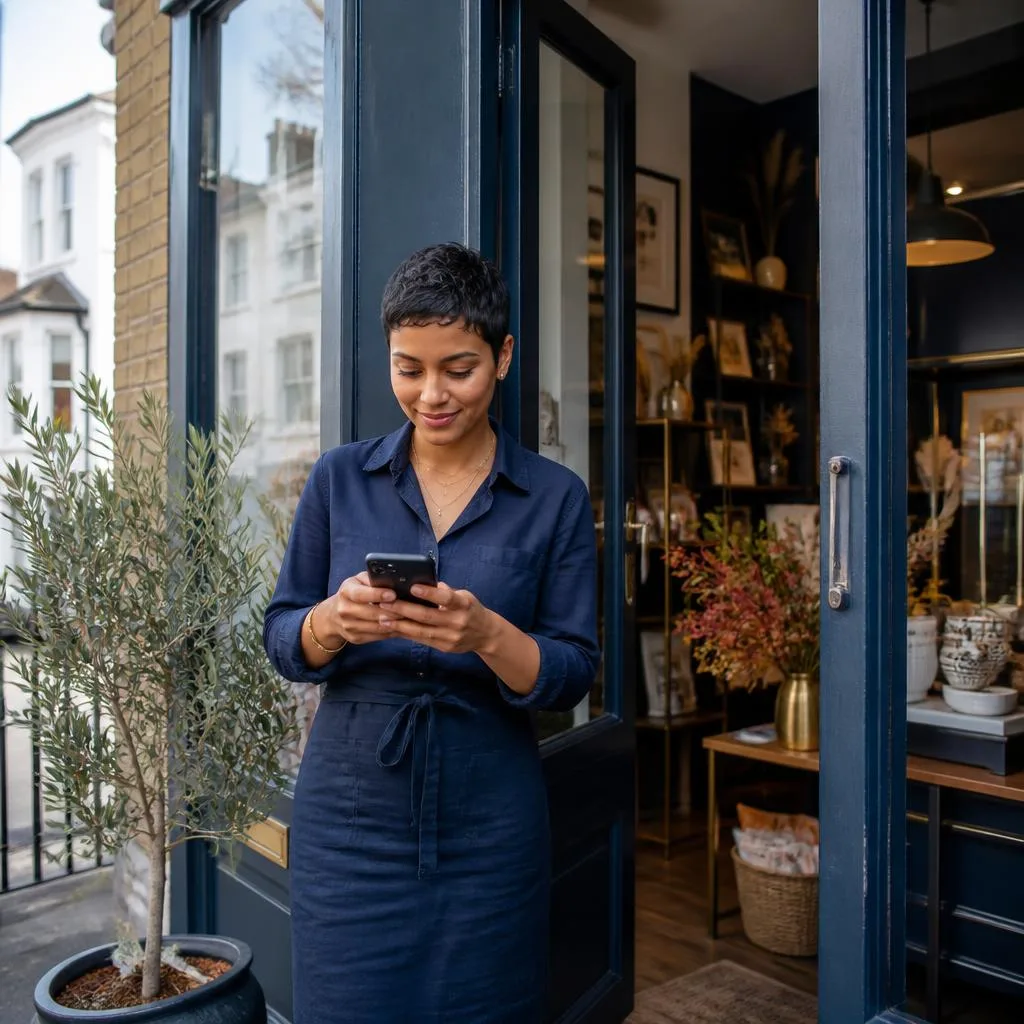
Some businesses thrive on repeat customers, recommendations and an excellent local reputation. A website does not replace those things. It gives the people who hear about you a reliable place to check what you do, who you help and how to take the next step.
For most small businesses, the useful question is: would clearer information make it easier for the right customer to choose or contact us? If the answer is yes, a focused website can be a practical business asset. It does not need to be a huge platform to do its job well.
A website supports the moments around a referral
Word of mouth often creates the first spark of interest. A prospective customer may then search for your name, look at your services on their phone or want reassurance before getting in touch. A website can answer the sensible questions a referral does not cover:
- What exactly do you offer?
- Which areas or types of customer do you serve?
- What should someone prepare before contacting you?
- Is there a straightforward way to enquire, call or book?
That clarity matters just as much for a referred lead as it does for someone discovering you through search.
What a useful first website usually includes
A first website should make the next action obvious, not try to say everything at once. In many cases, the essentials are:
- a clear description of your services and the customers you help
- a reason to trust the business, using only information you can stand behind
- contact or enquiry routes that work well on a phone
- information about location, availability or pricing where it helps reduce uncertainty
- a small number of pages that are easy to update as the business grows
If you are comparing a one-page start with a fuller site, our guide to what a small-business website needs to generate enquiries explains the trade-offs.
A website is not a substitute for the business behind it
Good design cannot make a poor service credible, and search visibility is not guaranteed by publishing a website. A site is most useful when it accurately reflects a business that is ready to respond, deliver and keep its information current.
That is why a short discovery process matters. Before building, decide what customers need to understand, which questions your team answers repeatedly and what a qualified enquiry looks like. The LaunchPad Web process is designed to make those decisions visible before design begins.
When a simple site is enough — and when it is not
A clear brochure site is often right when the main job is to establish credibility and capture enquiries. If customers need to choose appointments, pay deposits or follow a more structured journey, a booking website may be more appropriate. If your business needs internal tools, data workflows or customer-specific access, that is a different conversation from a standard marketing website.
For London businesses weighing up the right starting point, see our practical web design guidance for London. You can also compare website packages or start a project brief when you are ready to describe what the site needs to do.
Ready to plan the next step?
Start with a short brief, or talk through the right website route for your business.
Start a project brief Talk to LaunchPad Web